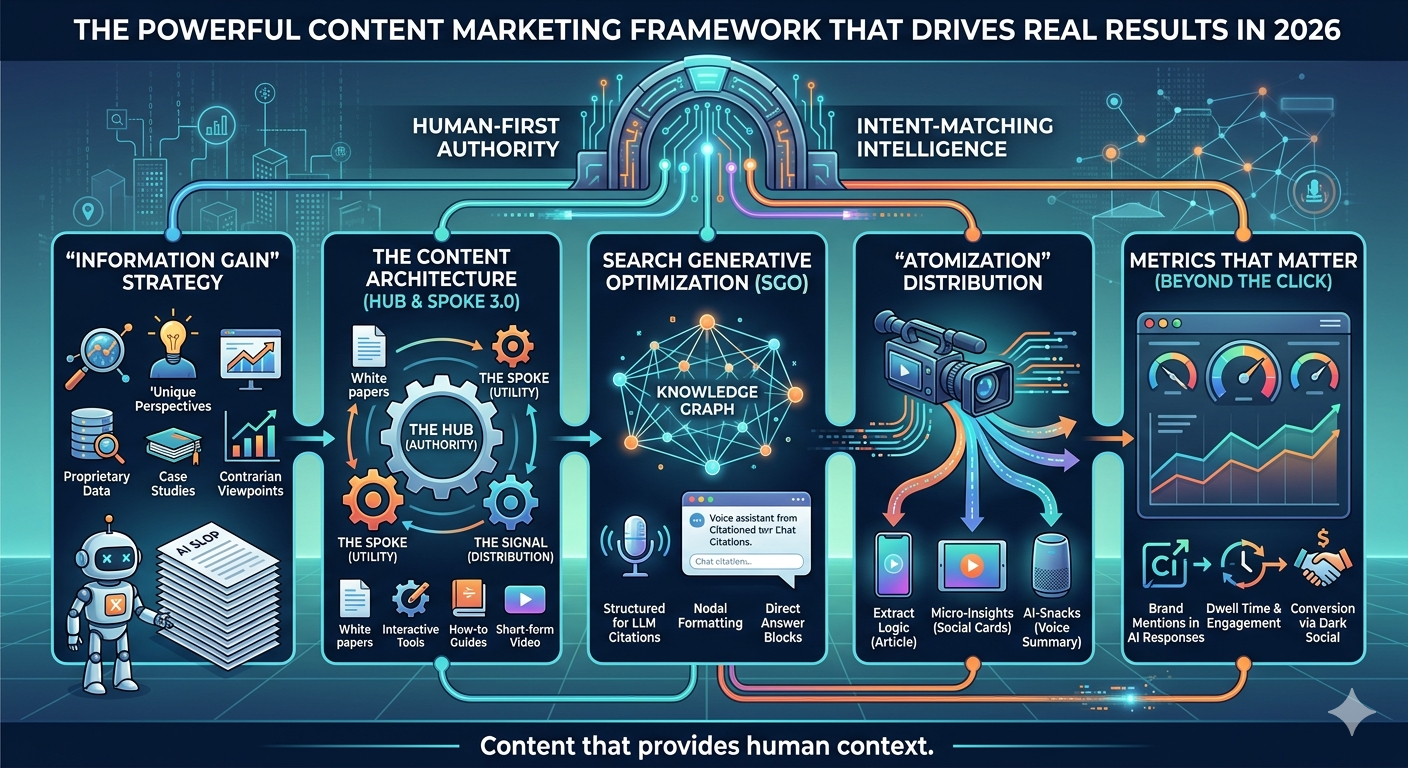
- Key Highlights
- Design & Exterior (How Your Content Framework Is Built)
- Interior & Comfort (User Experience Within Content)
- Price Comparison (Effort vs Results in Content Marketing)
- Engine / Performance (Core Content Framework Components)
- Mileage / Range (Long-Term Growth Potential)
- Features & Technology
- Safety Comparison (Building Trust Through Content)
- Ownership Cost (Long-Term Value of Content Systems)
- Launch Date & Framework Execution
- Competitors Comparison (Content Approaches)
- Pros & Cons
- Who Should Use This Framework?
- EEAT Expansion: What Makes a Content Framework Actually Work (Human Insight)
- The Hidden Power of Low Competition Keywords
- Why Content Clusters Build Authority Faster
- The Real Story: How Content Growth Actually Happens
- Why Simplicity Always Wins
- The Human Side of Content Marketing (Creative Deep Insight)
- Author Insight
- Final Thought Before Decision
- Final Verdict
- Practical Content Marketing Framework That Actually Brings Traffic (SEO + Real-World Expansion)
- Start With Low Competition Keywords That Are Easier to Rank
- Why Long-Tail Keywords Bring Better Traffic
- Creating Content That Solves Real Problems
- Building a Simple Content Framework (Beginner-Friendly System)
- Why Internal Linking Improves Rankings
- The Power of Consistency in Content Marketing
- Why Updating Content Can Boost Traffic
- Writing Content That Feels Human (Not Robotic)
- The Balance Between SEO and Readability
- Why Beginners Should Focus on Easy Wins First
- Understanding How Content Builds Authority
- Why Content Clusters Work Better Than Random Blogs
- Real Growth Timeline (What to Expect)
- Why User Experience Still Matters
- The Role of Trust in Content Performance
- A Simple Weekly Content Plan (Actionable)
- Author Insight
- Final Thought Before Decision
- SEO FAQs
Introduction
Content marketing sounds simple.
Write blogs. Publish regularly. Wait for traffic.
But in 2026, that approach no longer works on its own.
Thousands of businesses are creating content every day. Yet only a small percentage actually see real results — consistent traffic, quality leads, and long-term growth.
So what separates successful businesses from the rest?
It’s not effort.
It’s structure.
This guide breaks down a powerful content marketing framework that actually drives real results, designed for beginners and growing businesses who want clarity, not confusion.
Key Highlights
- A structured framework outperforms random content
- Low competition keywords help you rank faster
- Content must match user intent to perform
- Consistency builds authority over time
- Simple systems are easier to maintain and scale
- Content should guide users toward action
Design & Exterior (How Your Content Framework Is Built)
Before writing content, you need a clear framework.
Think of your content strategy like a structure.
If the structure is weak, even great content will not perform.
A strong framework includes:
- Clear topic clusters
- Defined audience focus
- Organized content flow
- Logical internal linking
Without this structure, content feels scattered.
With it, everything connects.
Interior & Comfort (User Experience Within Content)
Once users land on your content, their experience matters.
If content feels overwhelming, they leave.
If it feels simple and helpful, they stay.
Strong content experience includes:
- Short paragraphs
- Clear headings
- Simple language
- Smooth transitions
Content should feel natural — like a conversation, not a lecture.
Price Comparison (Effort vs Results in Content Marketing)
| Approach | Effort | Result |
|---|---|---|
| Random content posting | Low | Low impact |
| SEO-focused content | Medium | Growing traffic |
| Structured framework | Medium | Long-term growth |
| Full content system | High | Scalable results |
The difference is not how much content you create — but how you create it.
Engine / Performance (Core Content Framework Components)
A powerful content marketing framework has four main components.
1. Awareness Content (Traffic Stage)
This content attracts visitors.
Examples include:
- Beginner guides
- “How-to” articles
- Problem-based blogs
Low competition keywords work best here, such as:
- “how to start content marketing for beginners”
- “easy content marketing strategy 2026”
2. Consideration Content (Trust Stage)
This content builds credibility.
Examples:
- Detailed guides
- Case-style explanations
- Strategy breakdowns
Users start seeing you as a reliable source.
3. Conversion Content (Action Stage)
This content drives action.
Examples:
- Service pages
- Comparison articles
- Problem-solving content
It helps users make decisions.
4. Retention Content (Growth Stage)
This content keeps users engaged.
Examples:
- Updates
- Tips
- Follow-up guides
It builds long-term relationships.
Mileage / Range (Long-Term Growth Potential)
Content marketing is not short-term.
It compounds.
One article brings some traffic.
Ten articles bring more.
Fifty articles create consistent growth.
This is how organic systems scale.
Features & Technology
Modern content frameworks use tools such as:
- Keyword research platforms
- Content optimization tools
- Analytics dashboards
- User behavior tracking
These tools improve efficiency and decision-making.
Safety Comparison (Building Trust Through Content)
Trust is a major factor in content success.
Content builds trust when it is:
- Accurate
- Clear
- Honest
- Helpful
Users prefer content that solves problems — not just promotes services.
Ownership Cost (Long-Term Value of Content Systems)
Content marketing reduces long-term costs.
Benefits include:
- Free organic traffic
- Reduced ad spend
- Continuous visibility
- Strong brand authority
Launch Date & Framework Execution
Phase 1: Research
- Identify low competition keywords
- Understand audience intent
Phase 2: Content Creation
- Write simple, helpful articles
- Focus on clarity
Phase 3: Optimization
- Improve structure
- Add internal links
Phase 4: Scaling
- Publish consistently
- Expand topic clusters
Competitors Comparison (Content Approaches)
| Strategy | Outcome |
|---|---|
| No structure | Inconsistent results |
| Basic SEO | Slow growth |
| Content framework | Stable growth |
| Full system | Scalable success |
Pros & Cons
Pros
- Long-term traffic
- Builds authority
- High ROI
- Sustainable growth
Cons
- Requires patience
- Needs consistency
- Takes time to build
Who Should Use This Framework?
This framework is ideal for:
- Beginners
- Small businesses
- Bloggers
- Service providers
- Startups
Anyone who wants consistent growth without relying on ads.
EEAT Expansion: What Makes a Content Framework Actually Work (Human Insight)
Let’s move beyond theory.
In real-world scenarios, content does not fail because people don’t try.
It fails because there is no clear system behind it.
Many businesses create content regularly.
But they:
- Don’t target the right keywords
- Don’t connect their content
- Don’t guide users toward action
This creates effort without results.
The Hidden Power of Low Competition Keywords
One of the smartest strategies is focusing on low competition content marketing keywords.
These include:
- “simple content marketing framework for small business”
- “how to create content strategy step by step 2026”
- “content marketing plan for beginners without budget”
- “best content ideas for small business websites”
These keywords are easier to rank.
And they bring targeted traffic.
Why Content Clusters Build Authority Faster
Instead of writing random blogs, use clusters.
Example:
Main topic: content marketing framework
Supporting topics:
- how to create blog content
- beginner content strategy
- SEO writing tips
This builds topical authority.
Search engines trust structured websites.
The Real Story: How Content Growth Actually Happens
In the beginning, results are slow.
Then something shifts.
One article ranks.
Another gets traffic.
Then multiple pages start performing.
This is not luck.
It is the result of consistent structure.
Why Simplicity Always Wins
Complicated strategies fail.
Simple systems work.
When your content is:
- Clear
- Easy to read
- Focused
It performs better.
The Human Side of Content Marketing (Creative Deep Insight)
Content marketing is not just strategy.
It is understanding people.
People don’t read content for complexity.
They read for clarity.
They want answers.
They want solutions.
They want confidence.
When your content provides that, it works.
Author Insight
Written by Hannah Johanson
Content Marketing Strategist & Digital Growth Analyst
From real-world experience, the most successful content strategies are not the most complex.
They are the most consistent.
Businesses that focus on clarity, structure, and user needs tend to grow steadily over time.
Content marketing is not about doing more.
It is about doing the right things consistently.
Final Thought Before Decision
A powerful content marketing framework is not about writing more content.
It is about building a system that works.
When content is structured, simple, and focused, results follow naturally.
Final Verdict
The powerful content marketing framework that drives real results in 2026 is built on structure, clarity, and consistency.
Businesses that use low competition keywords, content clusters, and user-focused writing can achieve long-term growth.
Practical Content Marketing Framework That Actually Brings Traffic (SEO + Real-World Expansion)
If you’re building a website in 2026, one thing becomes clear very quickly.
Publishing content is easy.
Getting traffic is not.
Most beginners follow the same path. They write a few articles, publish them, and expect results.
But when traffic does not come, they start questioning everything.
The truth is simple.
Content works — but only when it is built around the right strategy.
Start With Low Competition Keywords That Are Easier to Rank
One of the biggest advantages beginners have today is access to low competition keywords for content marketing.
These are search terms that:
- Are easier to rank on Google
- Have less competition
- Still bring targeted visitors
Instead of targeting broad keywords like “content marketing,” smart strategies focus on:
- “simple content marketing framework for small business”
- “how to build content marketing strategy for beginners”
- “low budget content marketing ideas that work”
- “content marketing plan for small business 2026”
These keywords may not look big.
But they bring real users who are actively searching for solutions.
Why Long-Tail Keywords Bring Better Traffic
Long-tail keywords are specific phrases that match real search queries.
For example:
- “how to create content that drives traffic without ads”
- “best content marketing strategy for beginners 2026”
- “easy content marketing tips for small business owners”
These keywords have lower competition.
But they have higher intent.
That means users searching these terms are more likely to engage with your content.
Creating Content That Solves Real Problems
Content should not just exist — it should solve something.
Instead of writing general topics, focus on specific problems like:
- Why is my content not getting traffic?
- How do I build a content marketing strategy step by step?
- What are the easiest ways to grow a website organically?
When your content answers these questions clearly, it becomes valuable.
And valuable content performs better on Google.
Building a Simple Content Framework (Beginner-Friendly System)
A simple framework is easier to follow and maintain.
Here’s a practical approach:
Step 1: Choose a Focus Topic
For example:
“content marketing strategy for beginners”
Step 2: Create Supporting Content
Write related articles like:
- “how to create blog content for small business”
- “content ideas for beginners in digital marketing”
- “low competition SEO keywords for content marketing”
Step 3: Link Everything Together
This builds a strong internal structure.
Why Internal Linking Improves Rankings
Internal linking is one of the easiest ways to improve SEO.
It helps:
- Search engines understand your website
- Users navigate easily
- Content stay connected
For example, if you write about:
“how to get website traffic without ads”
You can link it to:
“content marketing strategy for beginners”
This creates a network of content.
And Google prefers structured websites.
The Power of Consistency in Content Marketing
Consistency is often underestimated.
Many people publish a few articles and stop.
But growth comes from regular updates.
A simple plan:
- 1–2 articles per week
- Focus on low competition keywords
- Improve older content
Over time, this creates momentum.
Why Updating Content Can Boost Traffic
You don’t always need new content.
Updating old content can bring strong results.
For example:
- Add new keywords
- Improve headings
- Simplify language
- Update information
This helps content stay relevant.
And search engines reward updated pages.
Writing Content That Feels Human (Not Robotic)
In 2026, content that feels natural performs better.
Users can easily tell when content feels forced or overly optimized.
A human tone includes:
- Simple words
- Clear sentences
- Real explanations
- Natural flow
Avoid overloading content with keywords.
Use them naturally.
The Balance Between SEO and Readability
SEO helps your content rank.
Readability helps your content perform.
Both are important.
For example:
Instead of writing:
“best content marketing strategy for beginners 2026”
multiple times, use variations like:
- content strategy for beginners
- simple marketing plan
- easy content framework
This keeps content natural while still optimized.
Why Beginners Should Focus on Easy Wins First
Trying to rank for competitive keywords early can slow progress.
Instead, focus on easier opportunities.
Examples of low competition content marketing keywords:
- “how to write SEO content for small websites”
- “content marketing tips for new businesses”
- “simple blog writing strategy for beginners”
- “how to get traffic using blog posts without ads”
These keywords are easier to rank.
And they help build initial traffic.
Understanding How Content Builds Authority
Authority is built over time.
When you consistently publish useful content, search engines start recognizing your website.
This leads to:
- Better rankings
- More visibility
- Increased trust
Authority is not instant.
But it grows steadily.
Why Content Clusters Work Better Than Random Blogs
Random blogs do not build strong SEO signals.
Content clusters do.
Example cluster:
Main Topic:
Content marketing framework
Supporting Topics:
- beginner content strategy
- SEO writing tips
- blog content ideas
- keyword research for beginners
This creates depth.
And depth builds authority.
Real Growth Timeline (What to Expect)
Content marketing follows a pattern.
Month 1–2:
- Low traffic
- Content indexing
Month 3–4:
- Some impressions
- Small traffic increase
Month 5–6:
- Rankings improve
- Traffic becomes consistent
This is realistic growth.
Why User Experience Still Matters
Even if your content ranks, user experience affects results.
If your content is:
- Hard to read
- Poorly structured
- Confusing
Users will leave.
But if it is:
- Clear
- Simple
- Well-organized
Users stay longer.
And that improves rankings.
The Role of Trust in Content Performance
Trust affects how users interact with your content.
Build trust by:
- Writing honestly
- Providing useful information
- Avoiding exaggerated claims
When users trust your content, they:
- Stay longer
- Return again
- Share it
A Simple Weekly Content Plan (Actionable)
Here’s a beginner-friendly plan:
Week 1:
Write about “how to start content marketing”
Week 2:
Write about “low competition keywords for beginners”
Week 3:
Write about “how to get traffic without ads”
Week 4:
Update one old article
Repeat this cycle.
Author Insight
Written by Hannah Johanson
Content Marketing Strategist & SEO Growth Specialist
From real-world experience, the most effective content strategies are not complicated.
They are consistent.
Businesses that focus on low competition keywords, simple structure, and user-focused content tend to grow faster.
The goal is not to create more content.
It is to create content that actually helps people.
Final Thought Before Decision
Content marketing is not about chasing trends.
It is about building a system.
When you focus on:
- Low competition keywords
- Clear structure
- Consistent publishing
Growth becomes easier.
And over time, traffic becomes predictable.
SEO FAQs
What is a content marketing framework?
A structured system for creating and managing content effectively.
Why is structure important in content marketing?
It helps content connect and perform better.
How do beginners start content marketing?
Start with simple topics and low competition keywords.
How long does content marketing take?
It takes time but delivers long-term results.
Is content marketing still effective in 2026?
Yes, it remains one of the most powerful strategies.

Leave a Reply