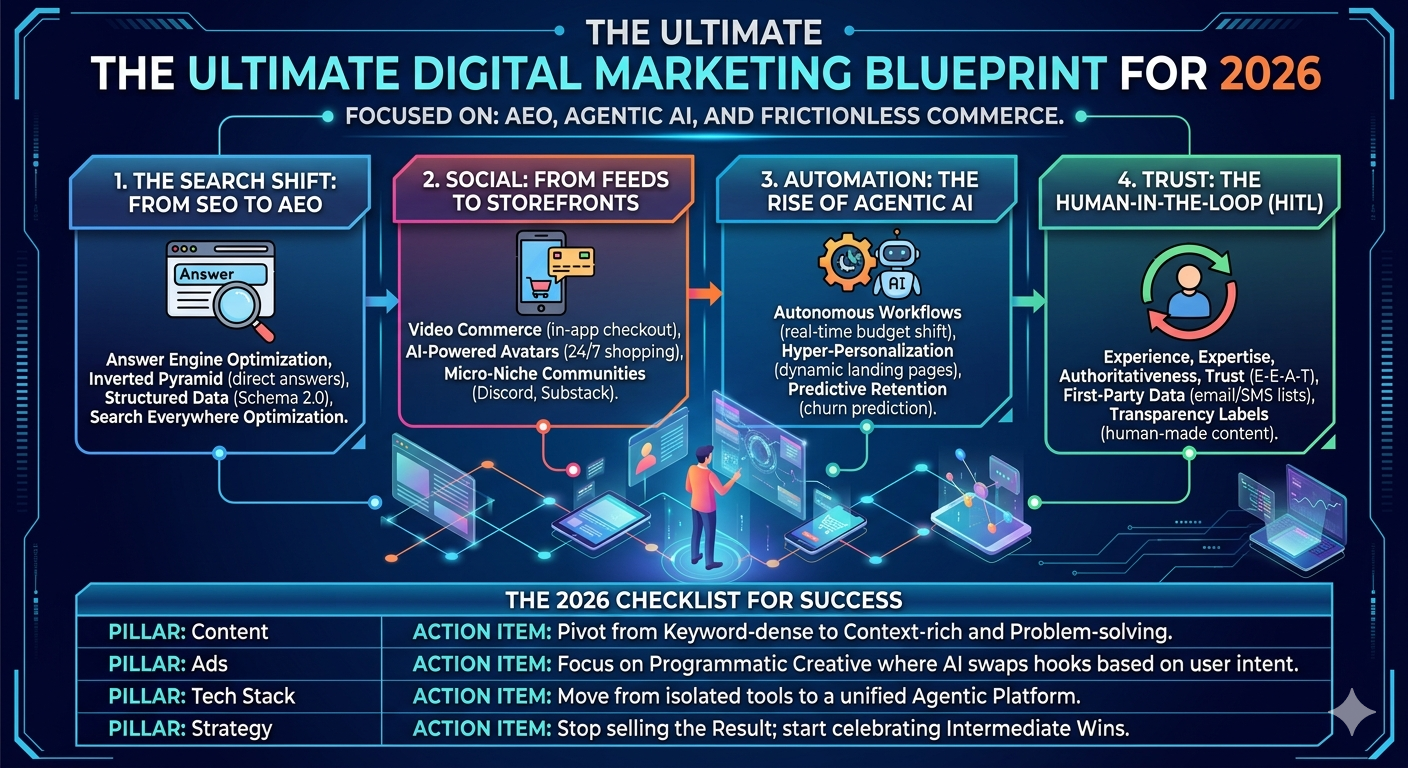
- Key Highlights
- Design & Exterior (Website as the Growth Foundation)
- Interior & Comfort (User Experience and Flow)
- Price Comparison (Digital Strategy Investment Levels)
- Engine / Performance (Core Elements of Smart Digital Strategy)
- Mileage / Range (How Fast Businesses Can Scale)
- Features & Technology
- Safety Comparison (Trust and Digital Reputation)
- Ownership Cost (Long-Term Value of Digital Strategy)
- Launch Date & Strategy Execution Plan
- Competitors Comparison (Marketing Strategy Approaches)
- Pros & Cons
- Who Should Use a Smart Digital Strategy?
- Real-World EEAT Insight: What Actually Makes a Strategy “Smart”
- Final Thought Before Decision
- Why Most Businesses Struggle to Scale Even With a Strategy
- The Role of Alignment in Scaling Growth
- Why “Smart” Digital Strategy Is About Efficiency, Not Complexity
- Understanding User Behavior: The Core of Scalable Marketing
- Why Consistency Outperforms Short-Term Efforts
- The Importance of Testing in Smart Digital Strategy
- Why Data Without Action Has No Value
- How Smart Digital Strategy Supports Business Scaling
- The Role of Simplicity in Long-Term Growth
- Why Trust Is a Silent Growth Driver
- Editorial Insight (Author Perspective)
- Final Verdict
- SEO FAQs
Introduction
In 2026, growing a business is no longer just about being online.
Almost every business is online now.
The real difference comes from how smart your digital strategy is.
Some businesses grow slowly, while others scale fast and consistently. The difference is not luck or massive budgets. It is a structured digital strategy that focuses on the right actions at the right time.
This guide explains how smart digital strategies actually work in real business situations and why they are becoming essential for growth in 2026.
Key Highlights
- Smart digital strategy focuses on efficiency, not complexity
- SEO builds long-term and stable traffic growth
- PPC delivers fast and controlled results
- Content builds trust and customer confidence
- Website experience directly impacts conversions
- Scaling depends on consistency, not just spending
Design & Exterior (Website as the Growth Foundation)
Your website is the foundation of your entire digital strategy.
Even the smartest marketing plan will fail if your website is weak.
A high-performing website should be:
- Simple and easy to understand
- Fast on all devices
- Mobile-friendly
- Clear in messaging
- Designed for conversions
In 2026, users make decisions within seconds.
If your website is confusing or slow, they leave immediately.
That is why smart digital strategies always begin with a strong website structure.
Interior & Comfort (User Experience and Flow)
Once users enter your website, their experience determines whether they stay or leave.
A smooth experience builds trust and increases engagement.
Good user experience includes:
- Easy navigation between pages
- Short and clear sentences
- Logical content flow
- Visible call-to-action buttons
When users can find information easily, they are more likely to take action.
This is one of the simplest but most powerful parts of digital scaling.
Price Comparison (Digital Strategy Investment Levels)
| Strategy Type | Monthly Cost Range |
|---|---|
| Basic Digital Setup | $500 – $1,500 |
| SEO Strategy | $800 – $3,000 |
| PPC Campaigns | $300 – $5,000 |
| Full Digital Growth System | $1,500 – $10,000 |
The key is not spending more, but spending wisely based on goals.
Smart strategies focus on return, not just cost.
Engine / Performance (Core Elements of Smart Digital Strategy)
A smart digital strategy is not one single tool.
It is a combination of systems working together.
SEO (Search Engine Optimization)
SEO builds long-term visibility by ranking your website on Google.
PPC (Paid Advertising)
PPC delivers fast traffic and helps test offers quickly.
Content Marketing
Content builds trust and helps users understand your business.
Conversion Optimization
This improves how many visitors actually become customers.
When combined properly, these elements create a scalable system.
Mileage / Range (How Fast Businesses Can Scale)
A smart digital strategy allows businesses to grow at different speeds depending on execution.
For example:
- Local businesses can scale within their city
- Service businesses can expand across regions
- Online businesses can scale nationally or globally
The speed of growth depends on consistency and optimization, not just budget size.
Features & Technology
Modern digital strategies rely on advanced tools that improve decision-making.
These include:
- AI-based keyword research tools
- Conversion tracking systems
- Audience targeting platforms
- Automation tools for campaigns
- Analytics dashboards
These tools help businesses make smarter decisions based on real data instead of guesswork.
Safety Comparison (Trust and Digital Reputation)
Trust plays a major role in scaling a business online.
Even if traffic increases, users will not convert without trust.
Trust is built through:
- Clear and honest messaging
- Professional website appearance
- Secure browsing experience
- Transparent service information
In 2026, trust is often the deciding factor between competitors.
Ownership Cost (Long-Term Value of Digital Strategy)
A smart digital strategy is not an expense — it is an investment.
Over time, businesses benefit from:
- Lower customer acquisition costs
- Increased organic traffic
- Stronger brand visibility
- Higher conversion rates
Unlike traditional advertising, digital systems continue to generate value over time.
Launch Date & Strategy Execution Plan
A smart digital strategy is not something that is implemented all at once.
It follows a structured approach:
- Step 1: Website setup and optimization
- Step 2: SEO foundation building
- Step 3: PPC campaign testing
- Step 4: Content development
- Step 5: Performance tracking and scaling
Each step builds on the previous one, creating a stable growth system.
Competitors Comparison (Marketing Strategy Approaches)
| Strategy Type | Strength | Limitation |
|---|---|---|
| SEO Strategy | Long-term growth | Takes time |
| PPC Strategy | Fast results | Requires optimization |
| Content Strategy | Builds trust | Needs consistency |
| Social Strategy | Brand awareness | Fluctuates often |
Smart businesses usually combine all strategies instead of relying on one.
Pros & Cons
Pros
- Scalable business growth
- Better use of marketing budget
- Long-term visibility
- Stronger brand positioning
- Consistent lead generation
Cons
- Requires time to build results
- Needs regular optimization
- Performance depends on execution quality
Who Should Use a Smart Digital Strategy?
This approach is ideal for:
- Small businesses aiming for growth
- Startups building online presence
- Service-based companies
- E-commerce businesses
- Agencies and consultants
It works across almost every industry when applied correctly.
Real-World EEAT Insight: What Actually Makes a Strategy “Smart”
A digital strategy becomes smart not because it is complex, but because it is well-structured and focused on results.
Many businesses fail because they try to do too many things at once.
Smart strategies focus on clarity.
Focus on What Actually Brings Results
Not every marketing activity produces value.
Smart businesses prioritize:
- High-intent traffic
- Conversion-focused pages
- Targeted advertising
- Helpful content
This avoids wasted effort and improves performance.
Simplicity Creates Better Execution
Complex strategies often fail in real-world use.
Simple strategies are easier to:
- Implement
- Track
- Improve
And most importantly, they are easier to scale.
Consistency Builds Long-Term Growth
One-time efforts do not create sustainable results.
Growth happens through:
- Regular updates
- Continuous optimization
- Ongoing content creation
Even small consistent actions build strong momentum over time.
Data-Driven Decisions Improve Performance
Successful businesses rely on data instead of assumptions.
They track:
- Website performance
- Ad results
- User behavior
- Conversion rates
This helps improve decisions and reduce wasted effort.
Scaling Happens After Stability
Many businesses try to scale too early.
However, smart scaling only happens when:
- A system is working consistently
- Traffic is converting properly
- Costs are under control
Scaling too early often leads to losses instead of growth.
Final Thought Before Decision
A smart digital strategy is not about doing everything at once.
It is about doing the right things in the right order.
Businesses that focus on structure, clarity, and consistency usually grow faster and more sustainably in 2026.
How Smart Digital Strategy Actually Scales Businesses in Real Life (Expert Insight by Hannah Johanson)
In real business environments, digital strategy is not just a marketing concept. It becomes a daily operational system that influences how customers discover, trust, and choose a brand.
Many guides explain digital marketing in theory, but the real difference between average and fast-scaling businesses comes from execution in real situations — not just planning.
A smart digital strategy is built on observation, testing, and gradual refinement. It is less about “doing everything” and more about doing the right things consistently.
Why Most Businesses Struggle to Scale Even With a Strategy
A common situation in 2026 is this: businesses already have SEO, PPC, or social media in place, yet growth feels slow or unstable.
This usually happens for a few practical reasons:
- Strategies are not connected to each other
- Data is collected but not used effectively
- Content does not match user intent
- Websites are not optimized for conversions
In simple terms, the system exists, but it is not aligned.
A smart digital strategy fixes this by making every part work together instead of operating in isolation.
The Role of Alignment in Scaling Growth
One of the most overlooked parts of digital marketing is alignment.
Alignment means that all marketing efforts — from ads to content to website design — are working toward the same goal.
For example:
- If ads promise a service, the landing page must reflect it clearly
- If SEO targets a keyword, the content must fully satisfy that search intent
- If users land on a website, their journey should feel natural and simple
When alignment is missing, users feel confusion. And confusion leads to drop-offs.
On the other hand, when everything aligns, conversions increase without increasing traffic.
This is one of the core principles behind scalable digital growth.
Why “Smart” Digital Strategy Is About Efficiency, Not Complexity
Many businesses assume that advanced tools or large campaigns automatically create better results.
However, in real-world performance, complexity often slows execution.
Smart strategies focus on efficiency.
This means:
- Removing unnecessary steps
- Focusing only on high-impact actions
- Avoiding repetitive or low-value tasks
For example, instead of running multiple scattered campaigns, a smart approach might focus on:
- One strong SEO direction
- One targeted PPC campaign
- One content cluster strategy
This clarity allows businesses to measure results more effectively and scale what actually works.
Understanding User Behavior: The Core of Scalable Marketing
At the center of every successful digital strategy is user behavior.
People do not interact with businesses randomly. They follow patterns based on need, urgency, and trust.
In general, users online behave in three predictable ways:
1. Exploration Behavior
Users are researching and trying to understand a topic.
2. Comparison Behavior
Users are evaluating different options.
3. Action Behavior
Users are ready to make a decision.
A smart digital strategy maps content and campaigns according to these behaviors.
For example:
- Blog content targets exploration
- Comparison pages support decision-making
- Service pages drive conversions
When this mapping is done correctly, user journeys become smoother and more predictable.
Why Consistency Outperforms Short-Term Efforts
One of the most important insights in digital marketing is that consistency beats intensity.
Many businesses start with strong campaigns but stop too early when results are not immediate.
However, real scaling happens over time.
Consistency helps:
- Build search authority
- Improve ad performance
- Strengthen brand recognition
- Increase customer trust
Even small weekly improvements compound into significant long-term growth.
This is why businesses that remain consistent often outperform those with larger but irregular efforts.
The Importance of Testing in Smart Digital Strategy
No digital strategy is perfect from the beginning.
Testing is what transforms average campaigns into high-performing systems.
Testing can include:
- Different headlines for ads
- Various landing page layouts
- Alternative keyword targeting
- Different content formats
The goal is not perfection. The goal is learning what works best.
Over time, this creates a refined system that delivers better results with less waste.
Why Data Without Action Has No Value
Many businesses track data but fail to act on it.
However, data alone does not create growth.
What matters is interpretation and action.
For example:
- If a page has high traffic but low conversions, it needs optimization
- If an ad has low engagement, messaging needs adjustment
- If users drop off early, the content structure may need improvement
Smart digital strategies treat data as feedback, not just reporting.
This feedback loop is what enables continuous improvement.
How Smart Digital Strategy Supports Business Scaling
Scaling is not just about getting more traffic or more customers.
It is about increasing results without increasing effort at the same rate.
A smart digital strategy supports scaling by:
- Improving conversion rates
- Reducing wasted advertising spend
- Increasing organic visibility over time
- Strengthening brand credibility
When these elements improve together, businesses grow more efficiently.
This is what makes scaling sustainable rather than temporary.
The Role of Simplicity in Long-Term Growth
One of the most surprising truths in digital marketing is that simplicity often outperforms complexity.
Simple strategies are:
- Easier to manage
- Easier to measure
- Easier to improve
They also reduce confusion for both teams and customers.
When businesses simplify their digital approach, they often find that performance improves naturally because execution becomes clearer.
Why Trust Is a Silent Growth Driver
Trust is not always visible in analytics, but it has a major impact on results.
Users are more likely to engage with businesses that feel:
- Transparent
- Professional
- Consistent
- Helpful
Even small elements like tone of writing, website clarity, and response time affect trust levels.
In many cases, trust becomes the deciding factor between two similar businesses.
Editorial Insight (Author Perspective)
Written by Hannah Johanson – Digital Marketing Analyst & Content Strategist
Based on years of observing digital marketing performance across different industries, one consistent pattern stands out: businesses that simplify their strategy and focus on execution always outperform those that overcomplicate their approach.
In most cases, success does not come from having more tools or bigger budgets. It comes from using fewer strategies more effectively and improving them over time.
This is why smart digital strategy is becoming the preferred model for sustainable growth in 2026.
Final Verdict
The smart digital strategy for 2026 is built on simplicity, consistency, and structured execution.
Businesses that combine SEO, PPC, content, and user experience in a balanced way are more likely to scale successfully.
The key is not complexity — it is smart planning and continuous improvement.
SEO FAQs
What is a smart digital strategy?
It is a structured approach using SEO, PPC, and content to grow a business efficiently.
How does a digital strategy help businesses scale?
It improves visibility, leads, and conversions through consistent marketing systems.
What is the best digital strategy in 2026?
A combination of SEO, PPC, and content marketing works best.
How long does it take to see results?
PPC gives quick results, while SEO takes a few months.
Can small businesses scale digitally?
Yes, even small businesses can grow with the right strategy.

Leave a Reply